
Curriculum
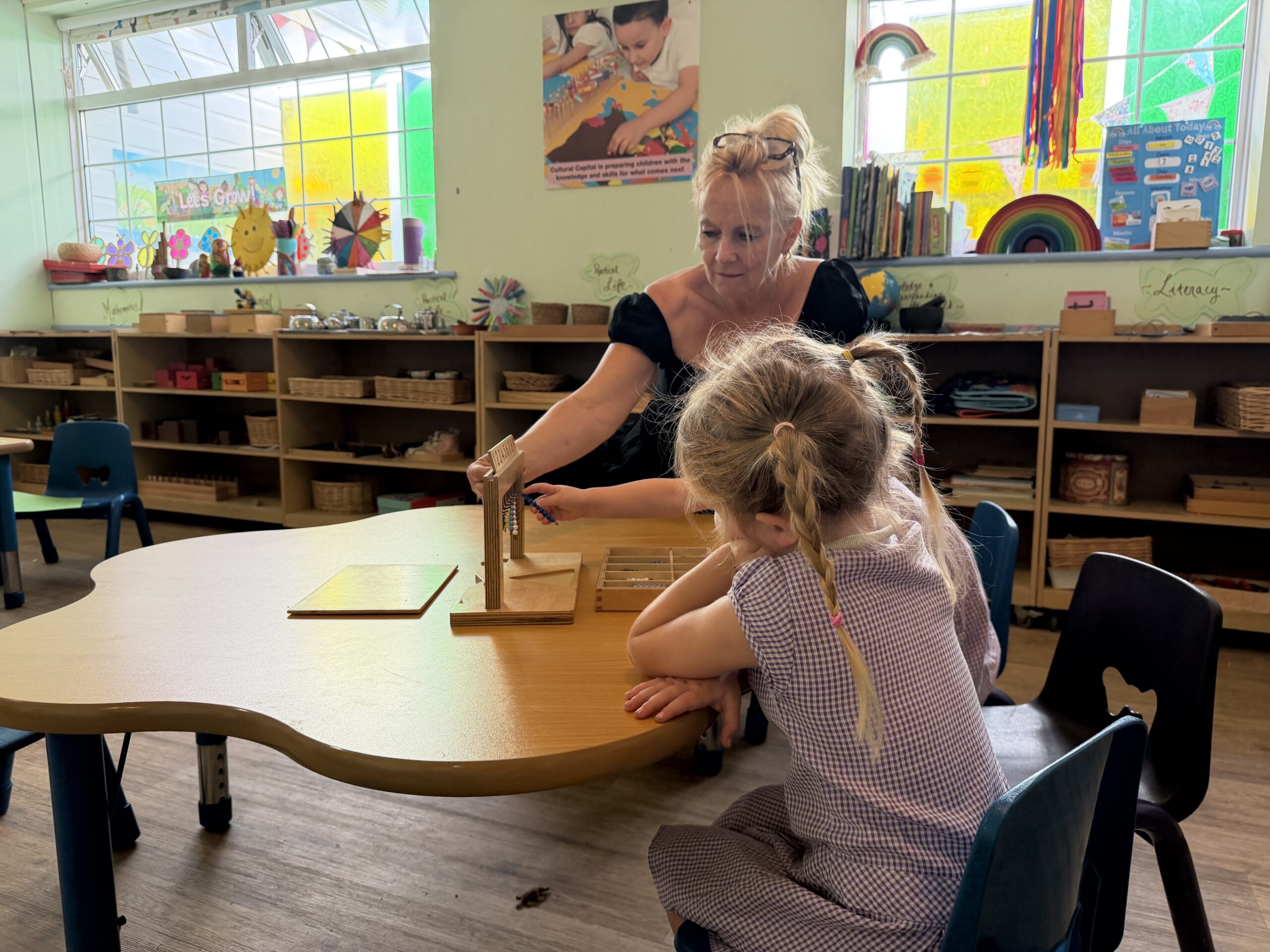
Our curriculum provides opportunities for children to learn, explore, and discover while attending Nursery.
WHY MONTESSORI?
Our Philosophy
Montessori is a child-centred approach to education that nurtures independence, curiosity, and a lifelong love of learning. At its heart is the belief in “following the child”—observing each child closely and responding to their unique interests, pace, and developmental needs. Children learn best through purposeful activity.
In Montessori, “play is the work of the child”: through carefully designed materials and real-life experiences, children actively construct their understanding of the world. This deep engagement fosters concentration, confidence, and intrinsic motivation.
Rather than directing learning, the adult prepares a rich environment, guiding gently and stepping back as the child becomes increasingly capable and self-directed.
A Brief History
The Montessori approach was developed by Dr. Maria Montessori, an Italian physician and educator, in the early 1900s. Through her work with children, she discovered that given the right environment and freedom within clear boundaries, children naturally develop independence, focus, and a joy for learning.
Her first “Casa dei Bambini” (Children’s House) opened in 1907, and her methods quickly gained recognition worldwide. Today, Montessori education continues to be practiced globally, grounded in respect for the child and a deep understanding of human development.
Areas of Learning
Practical Life:
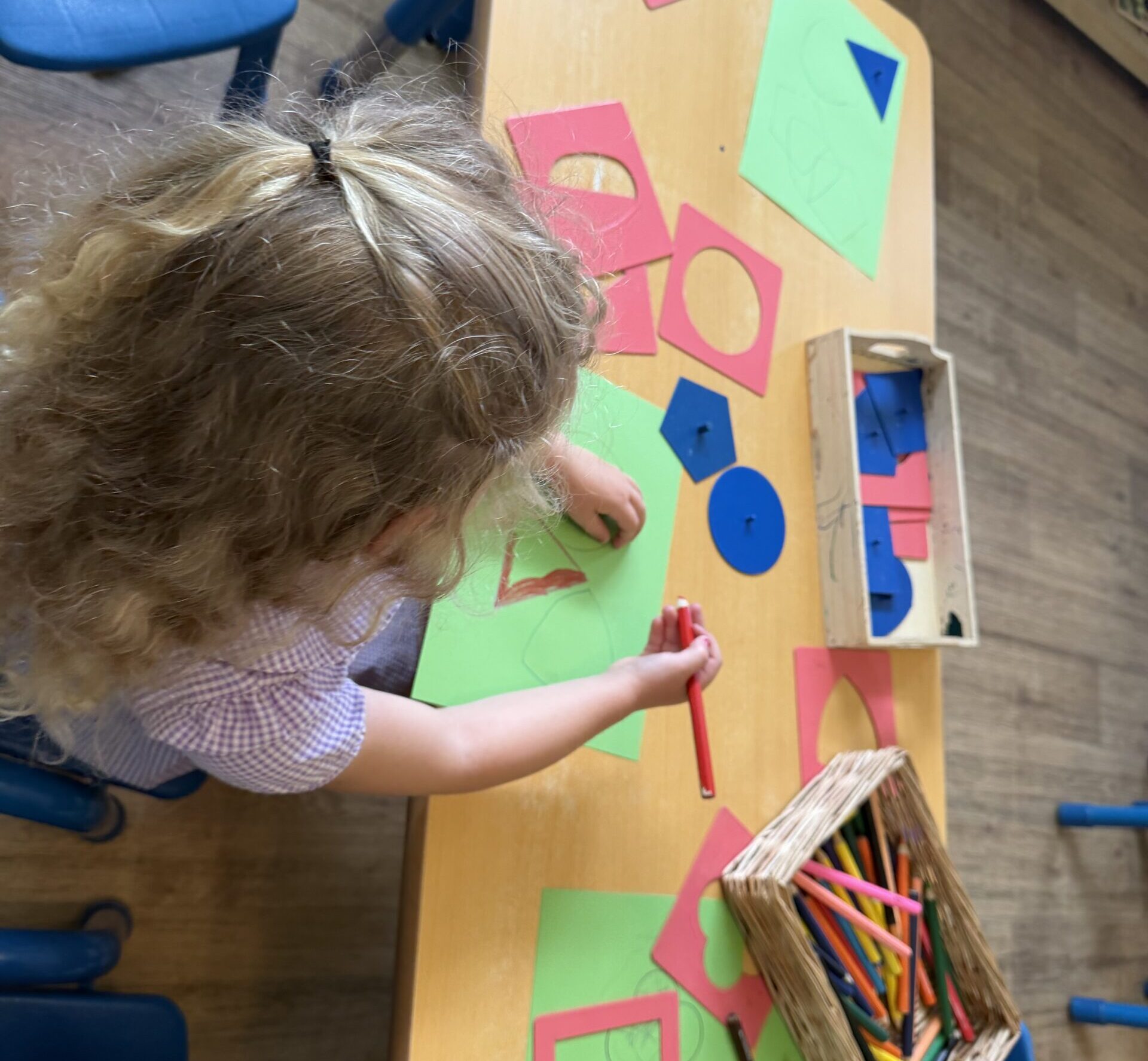
Practical Life activities reflect everyday tasks such as pouring, cleaning, dressing, and caring for the environment. These purposeful activities build coordination, concentration, and independence. By engaging in real, meaningful work, children develop confidence and a sense of responsibility—laying the foundation for all future learning.
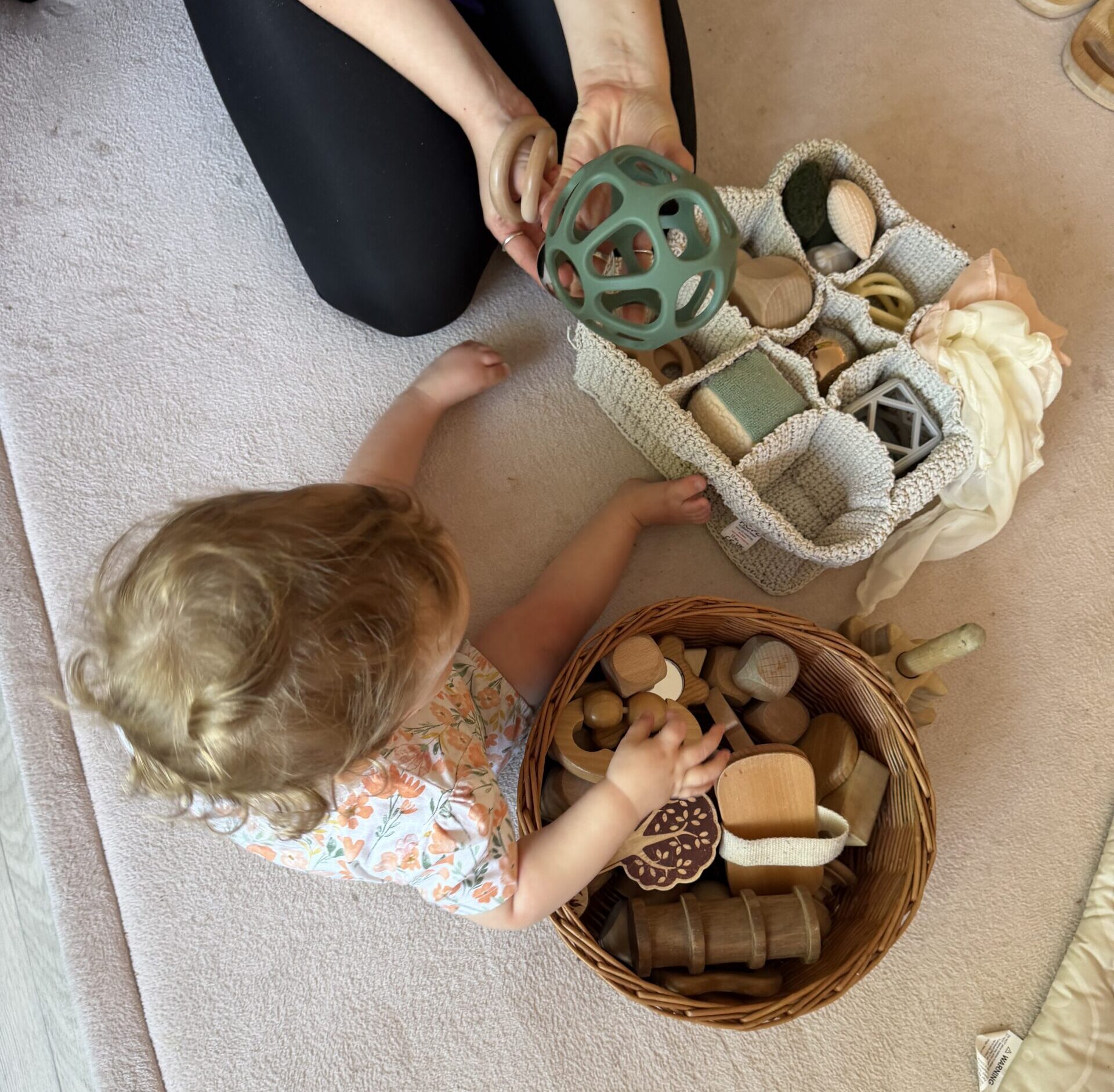
Sensorial:
Sensorial materials help children explore and refine their senses—sight, touch, sound, taste, and smell. Through hands-on exploration, children begin to classify, compare, and understand the world around them. These activities develop concentration and attention to detail, preparing the mind for more abstract learning.
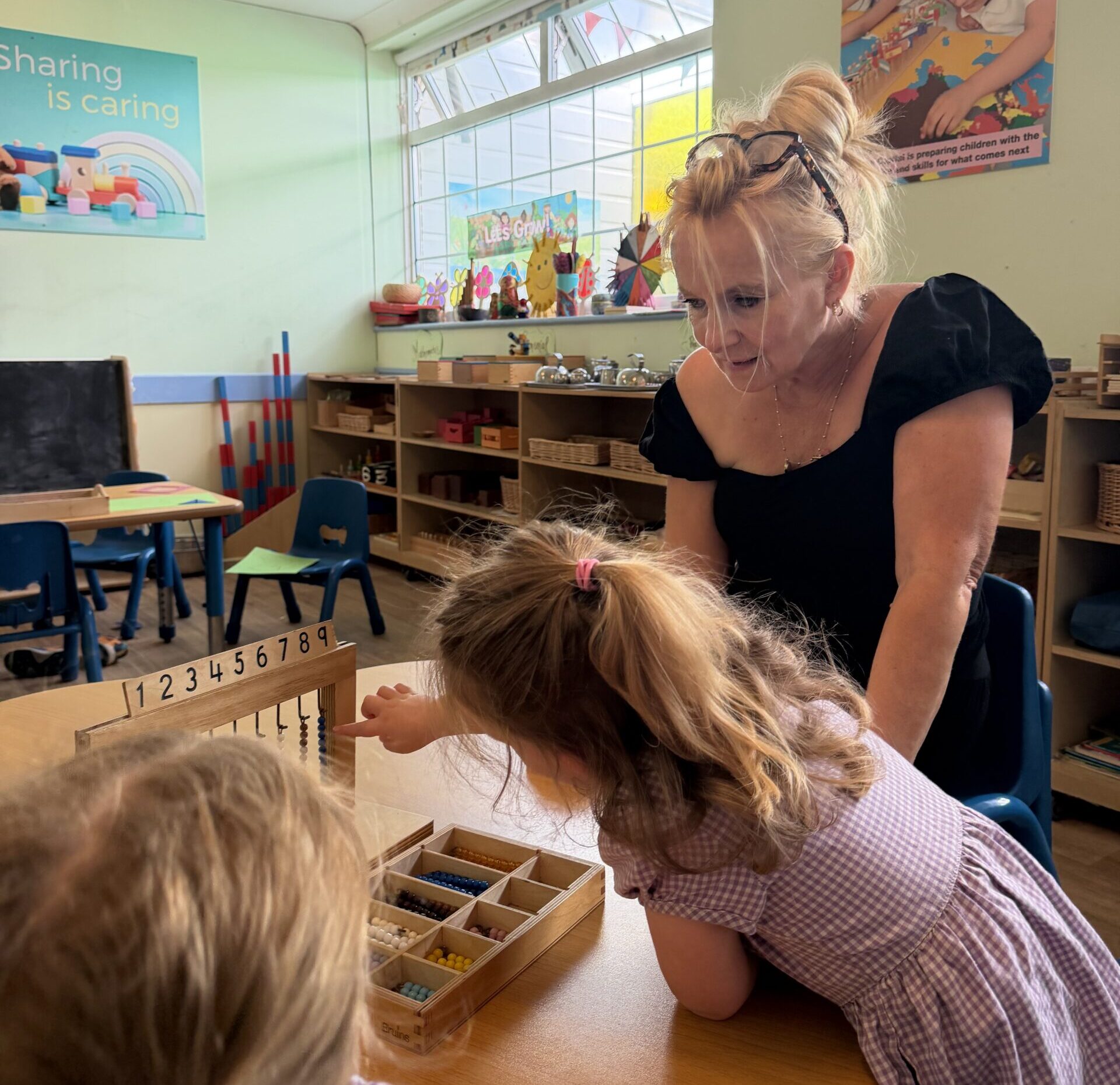
Mathematics:
Montessori maths materials make abstract concepts tangible. Children first experience quantity through concrete materials before moving towards symbols and operations. This hands-on approach builds a deep understanding of number, sequence, and problem-solving, allowing children to progress with confidence and independence.
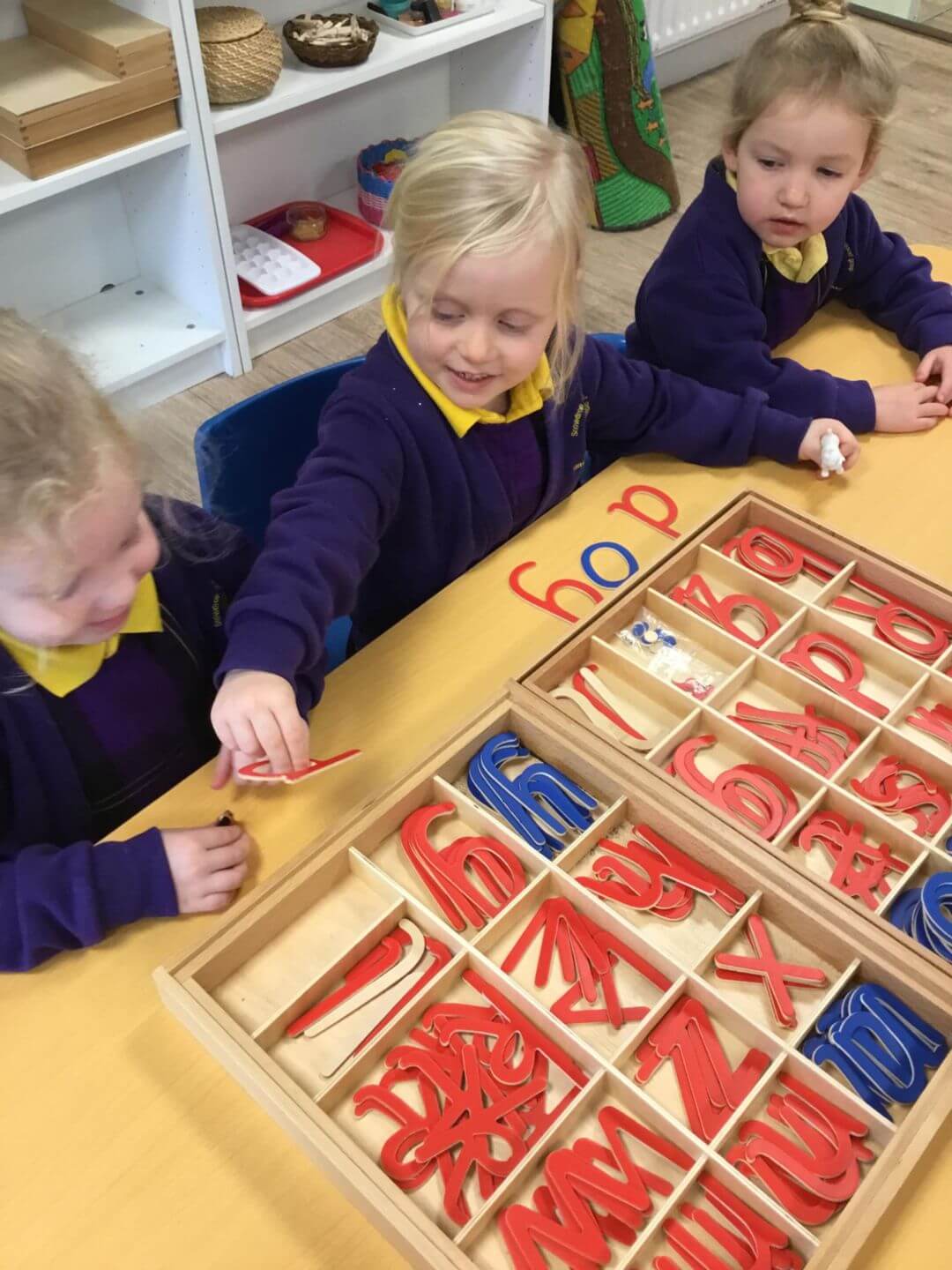
Literacy:
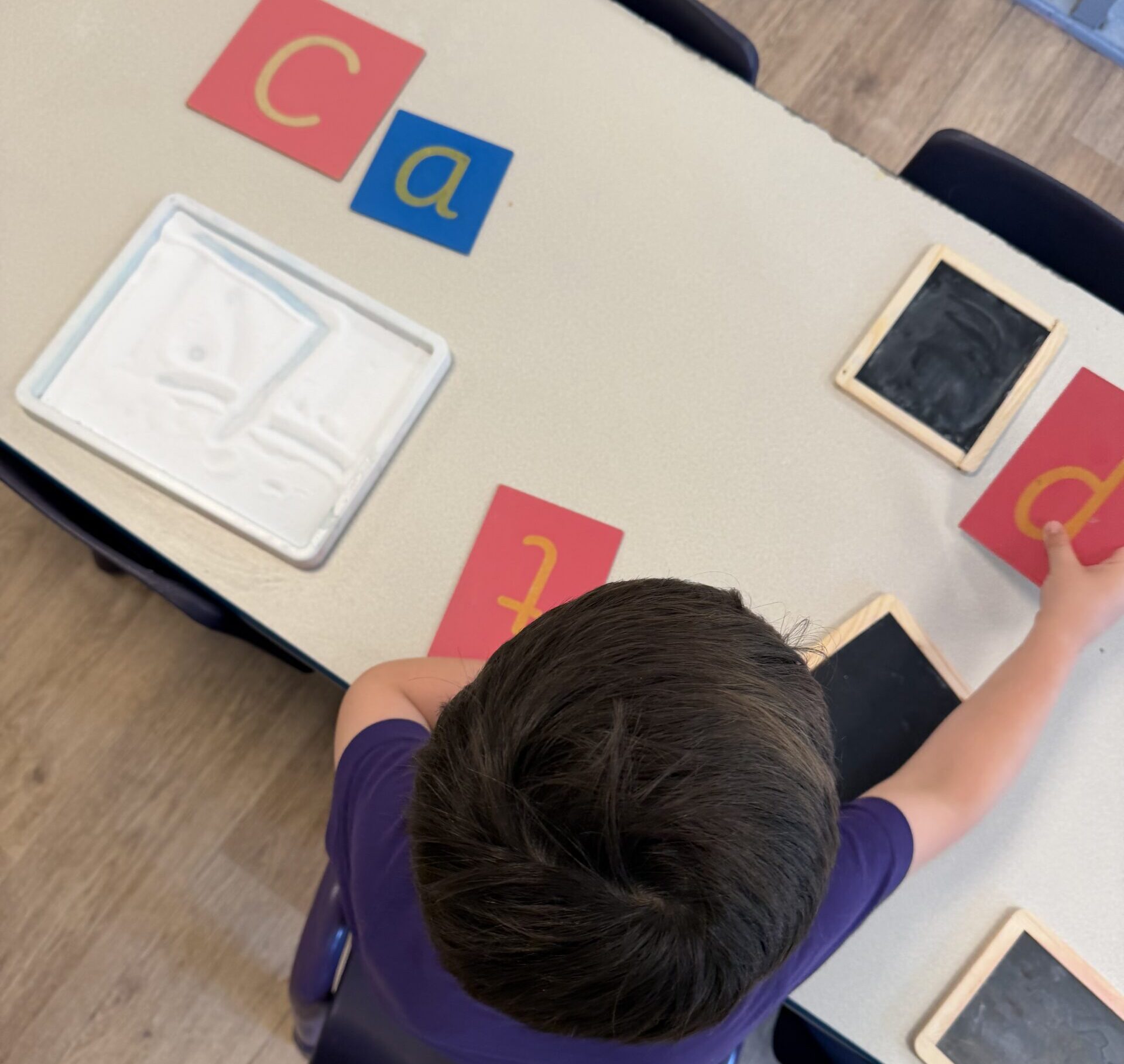
Literacy in Montessori begins with spoken language, expanding into phonetic awareness, reading, and writing. Children are introduced to sounds before symbols, often beginning to write before they read. Materials are carefully sequenced to support each stage, enabling children to develop language skills naturally and with enthusiasm.
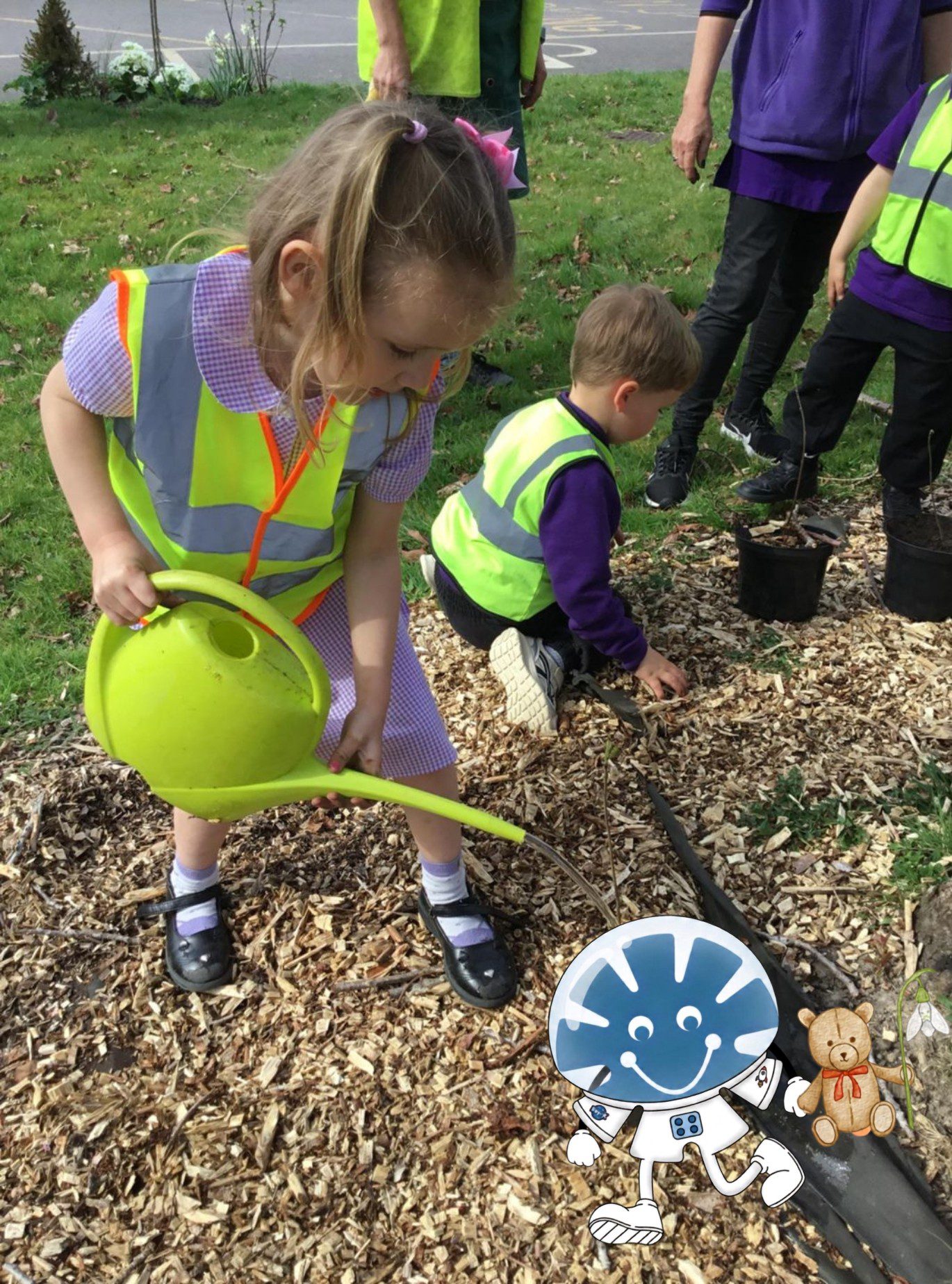
Knowledge and Understanding of the World:
In Montessori, children explore the world through hands-on experiences that spark curiosity and wonder. Activities introduce them to geography, nature, science, and different cultures, helping them develop a sense of place and connection to the wider world.
Through exploration, observation, and real-life experiences, children begin to ask questions, make discoveries, and understand how things work. This area nurtures a natural curiosity and respect for the world around them, encouraging children to become thoughtful, informed, and independent learners.
Creativity:
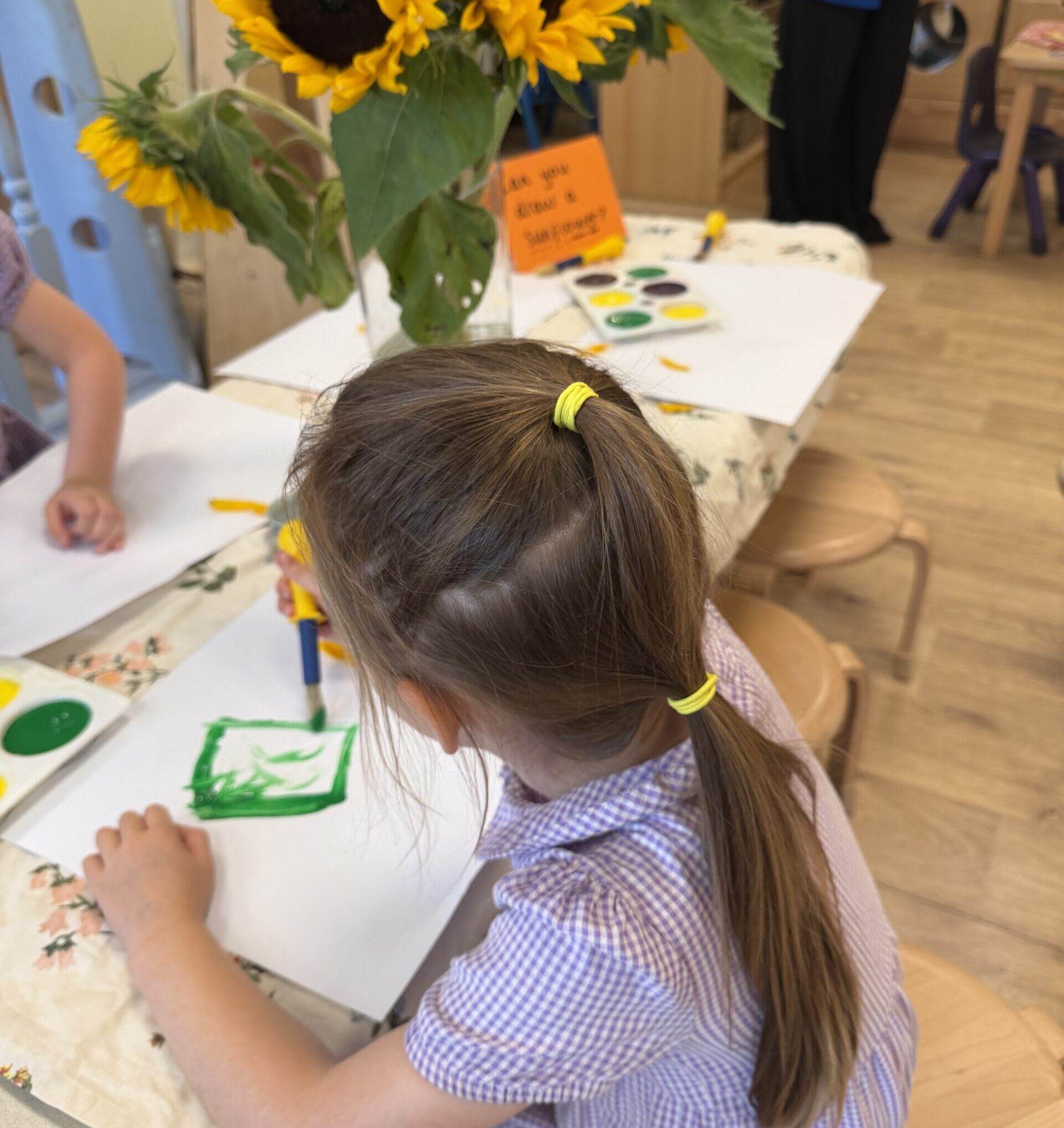
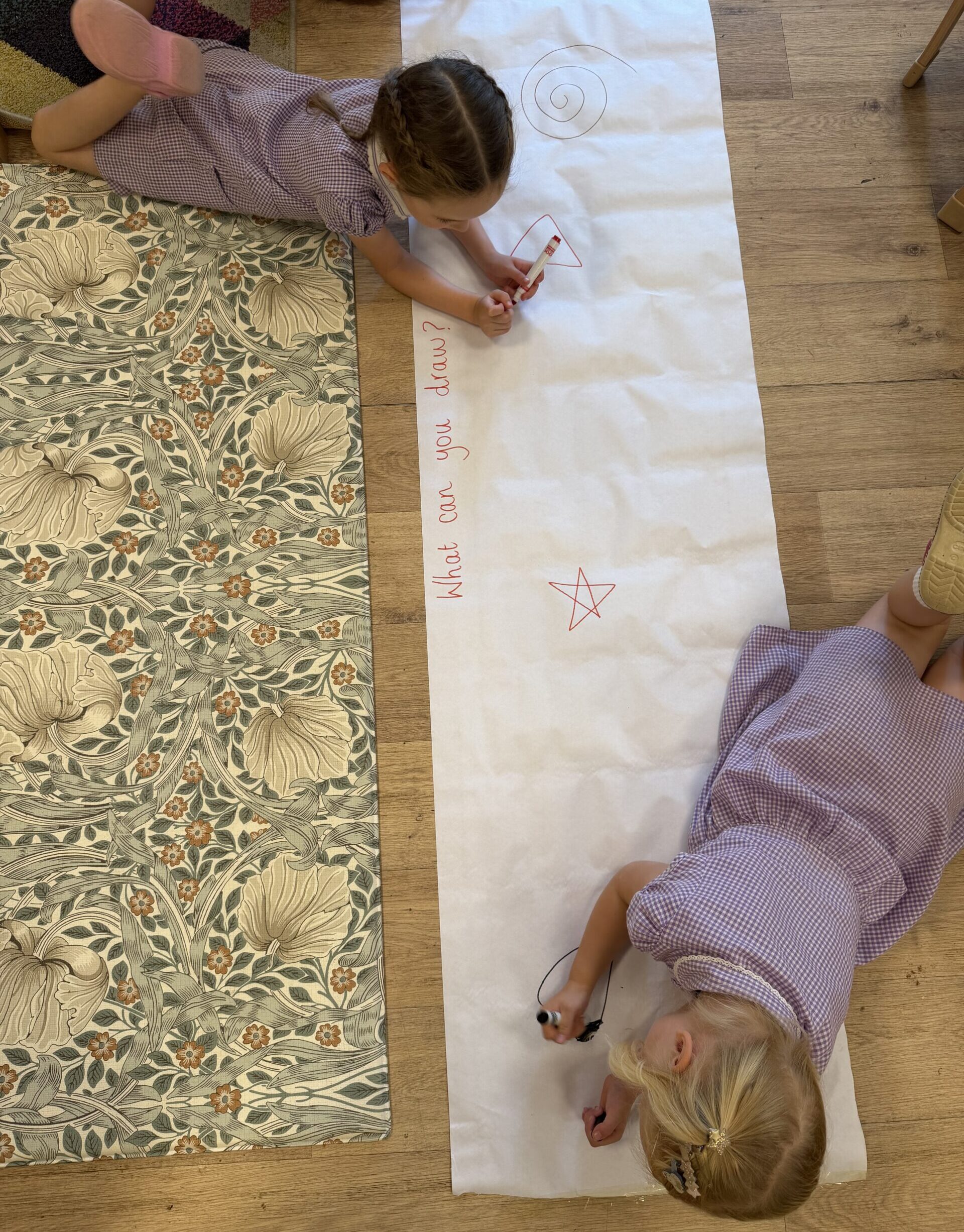
Creativity is woven throughout the Montessori environment. Children express themselves through art, music, movement, and imaginative exploration. Rather than focusing on a fixed outcome, the emphasis is on process, freedom, and self-expression—encouraging children to think independently and creatively.
The Montessori Environment
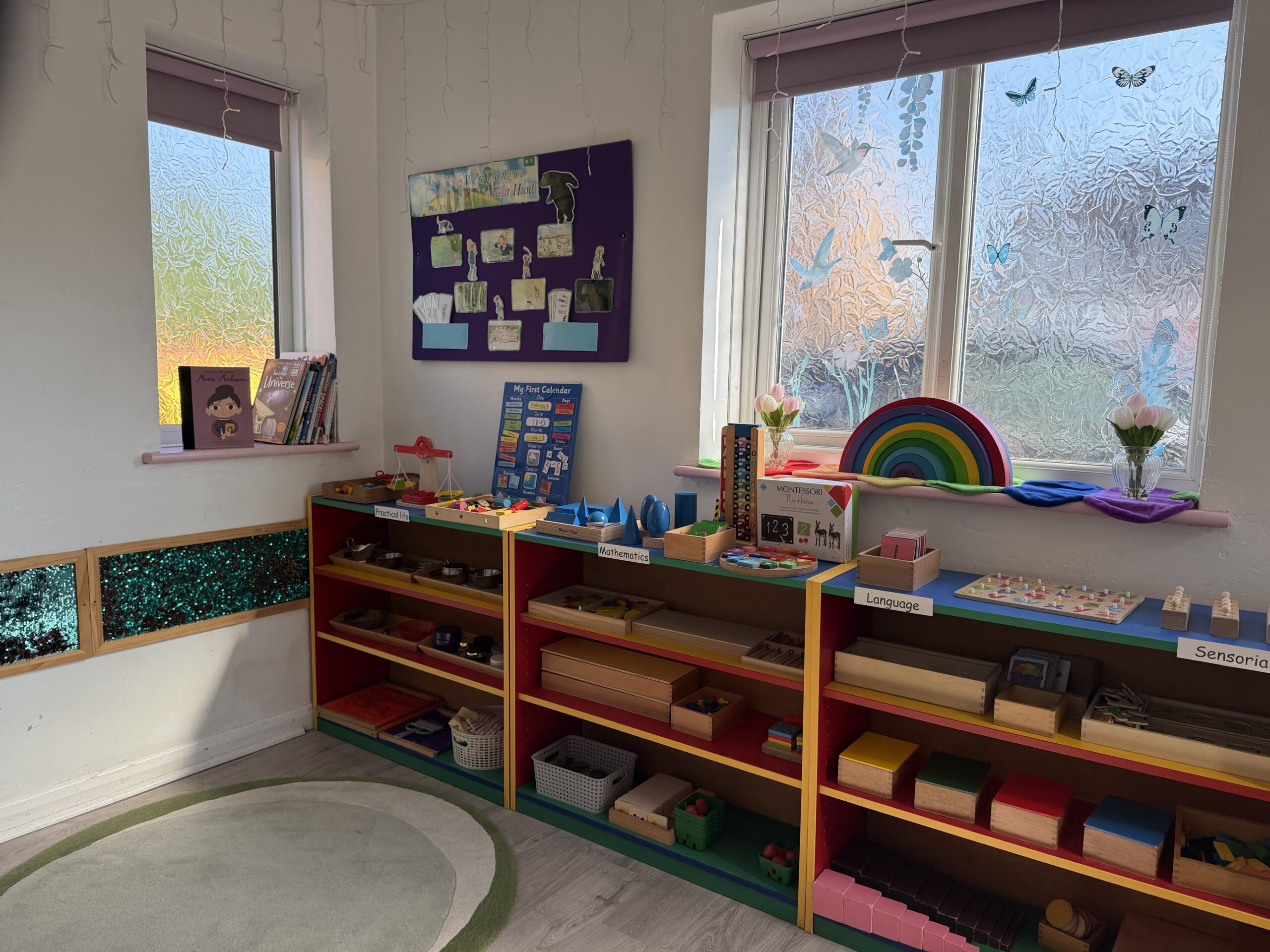
Across all areas, the carefully prepared environment and thoughtfully arranged shelves invite the child to choose, explore, and repeat activities independently. This freedom of choice, within a structured and beautiful space, allows children to follow their interests, develop deep concentration, and take ownership of their learning—growing into confident, capable individuals.
Montessori and the EYFS:
Our Montessori environment fully supports and enriches the Early Years Foundation Stage (EYFS) framework. All areas of learning—Communication and Language, Physical Development, Personal, Social and Emotional Development, Literacy, Mathematics, Understanding the World, and Expressive Arts and Design—are thoughtfully woven throughout the classroom.
Rather than being taught in isolation, these areas are integrated naturally through hands-on activities and real-life experiences. As children follow their interests and engage deeply with the materials, they develop skills across all areas in a meaningful and connected way.
This holistic approach ensures that each child not only meets but often exceeds EYFS outcomes, while remaining true to the Montessori principles of independence, concentration, and a genuine love of learning.
Food and Nutrition
While at nursery children will enjoy a healthy and balanced diet. Our fees are inclusive of: Breakfast, Hot lunch & Tea.
For our hot lunch and afternoon tea, we are delighted to be working with Zebedees. Zebedees are experts in food and nutrition, preparing and delivering delicious meals that provide children with the nutrients they need for a busy day of play and learning. You can view sample menus here.
If your child has any allergy or dietary requirements, working with Zebedess we can cater for:
Vegan
Vegetarian
Halal
Gluten free
Dairy free
Soya free
Egg free
Research suggests the diets of children under 5 in the UK are often low in fibre and key vitamins and minerals, while too high in sugar and salt. As a result, more than one in five UK children currently start school overweight or obese.
That’s why:
- Zebedees do not add salt to any of our dishes.
- Zebedees provide plain, full-fat yoghurts with no added sugar or sweeteners.
- Our nursery food menus go beyond the minimum requirements set by the government.
Children’s early years play a vital role in their growth, health, development, and learning. Nursery age is a key time when children establish their food preferences and eating habits, so it’s really important to us that we provide them with a good range of nutritional options.